
Abstract
The purpose of this experiment is to test the effectiveness of topical defenses against the puncture and saliva transfer of mosquitoes using Oncopeltus fasciatus as the model. Mosquitoes are vectors for human diseases that cause millions of deaths annually by transmitting pathogenic saliva. The main defense against them are chemical repellents, which are inefficient, environmentally harmful, and expensive for populations living where mosquito density is highest. Using a gel containing virgin coconut oil (VCO), hydrolyzed keratin (HK), and bentonite clay (B) will result in the lowest number of skin punctures and saliva transmission. Formulas VCO+B, VCO+HK, and VCO+B+HK were applied to artificial skin containing bromothymol blue, a pH indicator, then exposed to an O. fasciatus for 10 minutes. No topical gel was used as control. The number of punctures and saliva transfers were recorded. The results affirmed that the VCO+B+HK barrier resulted in the least amount of milkweed bug punctures and saliva transmissions. The control produced the highest amount of punctures and saliva transfer, followed by the VCO+HK gel then the VCO+B. The t- and chi-square tests showcased that the data was statistically significant, supporting the research hypothesis. This efficacy most likely stemmed from the semi-occlusiveness and fatty acid composition of virgin coconut oil, the low-permeability of calcium bentonite clay, and the ability of hydrolyzed keratin to fill microscopic gaps to form a cohesive and structurally sound barrier.
Introduction
Mosquitoes are among the most lethal organisms globally, serving as vectors for pathogens that cause notorious diseases such as malaria, dengue, Zika, and West Nile virus, resulting in over 700,000 deaths annually. Current defenses against these threats rely heavily on chemical repellents, such as DEET or Picaridin. However, these harsh chemicals are linked to adverse health effects—including seizures, brain damage, and skin and respiratory irritation—while raising long-term environmental concerns. Furthermore, as global temperatures rise, these repellents degrade faster in humidity and heat, reducing their effectiveness and requiring frequent reapplication. Rising temperatures are also expanding the geographical range of mosquito populations, bringing vector-borne diseases into previously unaffected regions. This introduces severe pathogenic threats to communities that may lack immunity or preparedness, amplifying public health vulnerability. These challenges underscore a need for alternative measures against mosquito-borne illnesses that don’t exhibit the disadvantages of chemical repellents and are easily reproducible for large-scale usage.1
Topical barriers that form flexible, film-like coatings on the skin offer a promising replacement for traditional chemical repellents. These innovative gels provide a physical defense that outlasts heat and humidity better than volatile chemical options. Using natural, accessible ingredients like bentonite clay, coconut oil, and keratin aligns with the push for utilization of sustainable materials, making them an environmentally-friendly alternative to synthetic insecticides. Additionally, topicals reduce mosquito bites without culling their populations, thus minimizing ecological disruption in ecosystems that rely on mosquitoes. Investigating the resistance of these formulations against mosquito bites and saliva transfer is critical for evaluating their potential in mitigating vector-borne disease transmission.
The independent variable in this experiment is the specific formulation of the topical barriers, designed to test the effectiveness of a low-cost physical defense. Virtually, there have been zero studies exploring the feasibility of topical barriers as a defense mechanism against mosquitoes. Prior studies have used physical barriers on human skin, such as one of a gel composed of cellulose nanocrystals, and have produced outstanding results in bite prevention.2 However, such materials are often expensive and difficult to produce, rendering them inaccessible to populations in tropical and subtropical regions most heavily affected by vector-borne diseases. For this reason, the chosen ingredients—virgin coconut oil, hydrolyzed keratin, and calcium bentonite clay—of the barrier formulation are all globally accessible and tied to massive industries in heavily-affected regions across Southern Asia, Sub-Saharan Africa, and South America.
Virgin coconut oil (VCO) is an unrefined, “generally recognized as safe” oil, rich in fatty acids like lauric and caprylic acid, which effectively mask insect-attracting scents. Studies have repeatedly shown that the fatty acid components of VCO provide a longer-lasting repellency than DEET, the current standard repellent. Due to its semi-occlusive and moisturizing properties, VCO serves as an optimal base for the topical barrier formulations, requiring combination with other ingredients for added structure and support.3 Calcium bentonite clay (B) is an absorbent, layered material derived from weathered volcanic ash that has been used topically for centuries to treat acne, rashes, and wounds. When combined with oils or water, its primary mineral, montmorillonite, forms a low-permeability, viscous gel that functions as an effective binder. In this experiment, the clay is combined with VCO instead of water to prevent shear-thinning, a phenomenon in which a substance becomes more fluid under stress. Bentonite is unique for its physicochemical stability and broad toxin-binding capabilities.4 Finally, hydrolyzed keratin (HK) is a protein derived from breaking down natural keratin into smaller, water-soluble fragments. At 50% concentration, HK mimics the molecular configuration and function of natural keratin. Its reduced molecular size allows HK to penetrate surfaces, fill microscopic gaps, and form a protective film that both reinforces structure and retains moisture. Within mixtures, HK provides structural support by creating a robust protein barrier.5
The dependent variables are the puncture success and saliva transmission rates of mosquitoes, which will be modeled by Oncopeltus fasciatus (milkweed bug). O. fasciatus is a tree bug native to North and Central America found commonly in open fields, on roadsides, and in disturbed habitats. Although they feed primarily on milkweed seeds, the specimens used in this experiment were adapted to consume sunflower seeds exclusively. They undergo hemimetabolous development—an incomplete metamorphosis comprised of egg, nymph, and adult stages—during which nymphs develop into adults through five consecutive molts.6 This organism possesses a piercing-sucking feeding structure (the rostrum) that functions analogous to a mosquito’s proboscis. The rostrum consists of inner stylets, needle-like structures that pierce tissue and deliver saliva, encased within a sheath-like labium that guides them.7 While mosquitoes use their proboscis to pierce capillaries for blood, the penetration mechanics are comparable. Both insects use saliva for feeding, though their compositions differ: milkweed bug saliva contains digestive enzymes resulting in a slightly acidic pH (pH ~5.5–6.5) whereas mosquito saliva is slightly alkaline (pH ~7.4–8.0) and contains a complex mix of salivary proteins and anticoagulants that modulate the host’s immune response. Crucially, vector mosquitoes carry pathogenic organisms within their saliva as well as additional proteins that facilitate pathogenic invasion into the host’s bloodstream without significant interference.1 Therefore, testing whether topical barriers can prevent saliva transmissions is vital to determining their efficacy against vector insects.
The purpose of this experiment is to evaluate the effectiveness of topical barriers in preventing puncture and saliva transfer by mosquitoes by using O. fasciatus as a model species. The independent variable consists of four different barrier formulations: virgin coconut oil with bentonite clay (VCO+B), virgin coconut oil with hydrolyzed keratin (VCO+HK), virgin coconut oil with bentonite clay and hydrolyzed keratin (VCO+B+HK), and an untreated control (no barrier). Each ingredient was selected based on their accessibility, sustainability, natural benefits, and specific properties. VCO serves as the base for all active formulations due to its semi-occlusive nature and established mosquito repellent qualities.3 The VCO+B gel provides a “tough layer” designed to test whether the drying clay is sufficient in physically preventing puncture and saliva penetration.4 The VCO+HK gel provides a flexible, structural barrier designed to evaluate the protective capacity of a protein-based film.5 Finally, the VCO+B+HK gel is the most complex, combining the rigid clay layer with the structural support and smooth finish of keratin to test the strength of their synergistic compatibility against vector mosquitos.
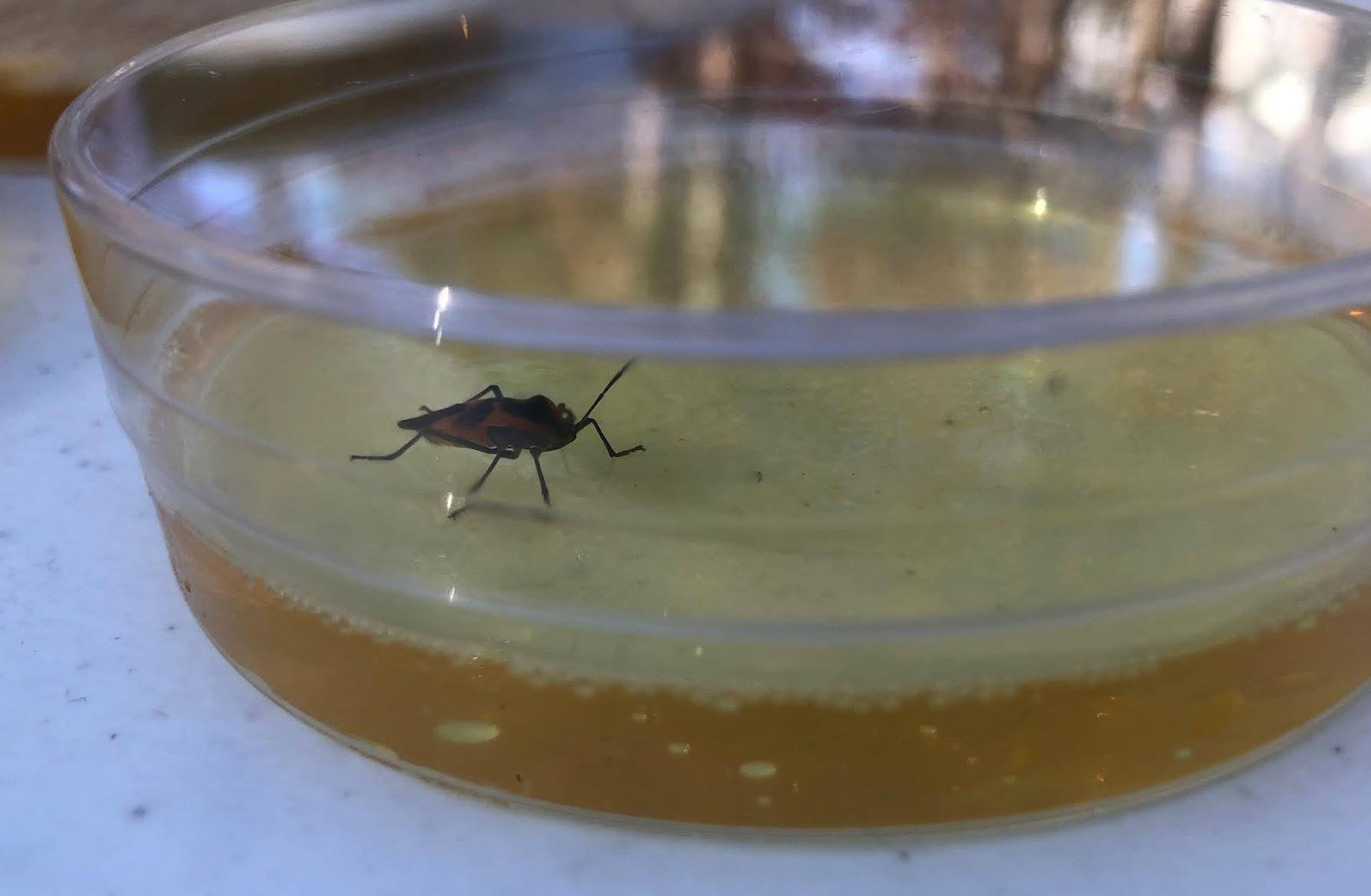
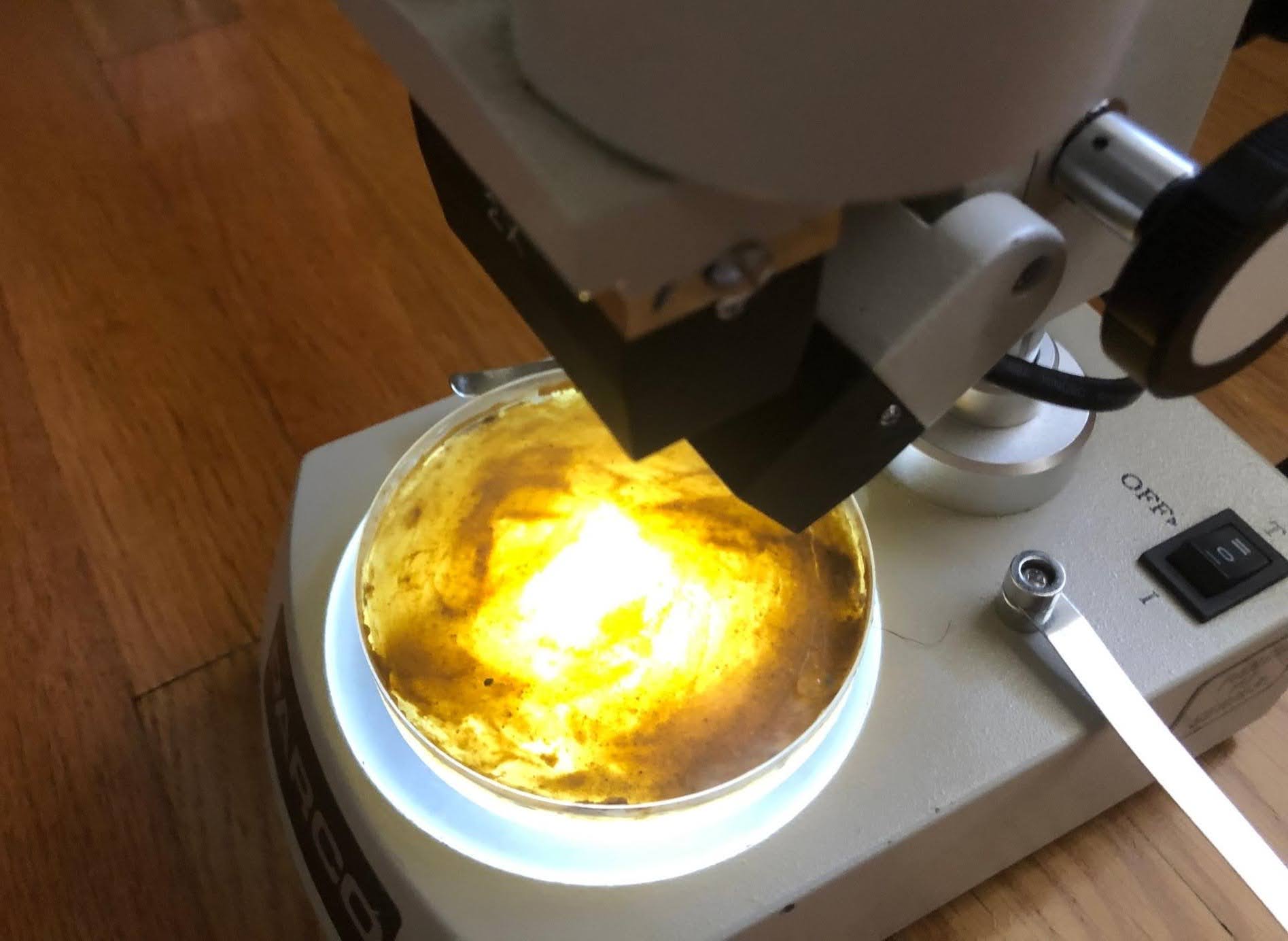
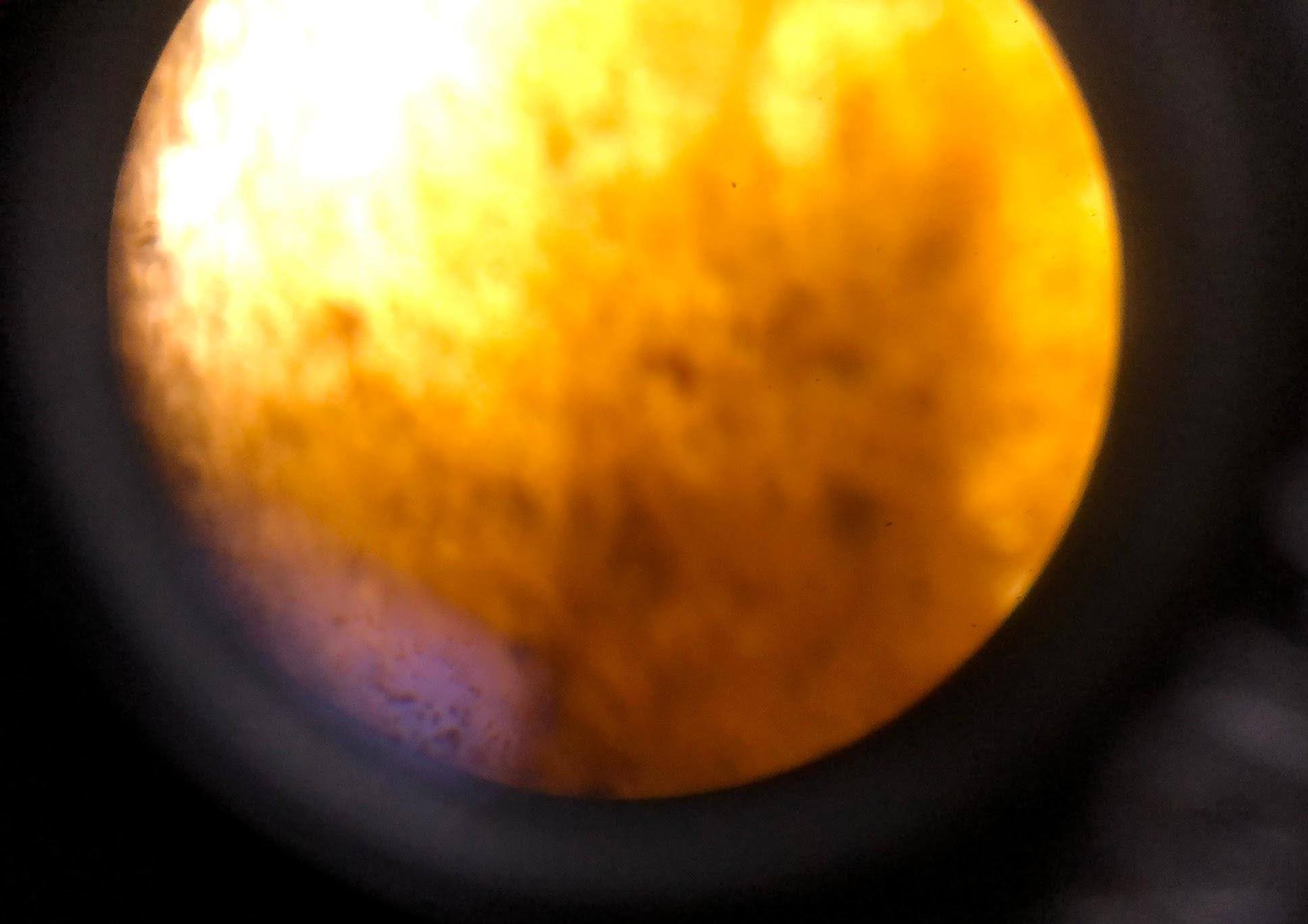
To evaluate the dependent variables, puncture success rate will be assessed by exposing individual O. fasciatus to a petri dish containing artificial skin and using a dissecting microscope to count punctures that penetrate through the topical barriers. The raw number of punctures will be recorded for each milkweed bug. Additionally, to determine whether saliva is transferred in a bite, the pH indicator bromothymol blue (BTB) was incorporated into the artificial skin. A color change from yellow to blue indicates saliva transmission. It is hypothesized that the combined formulation (VCO+B+HK) will result in the lowest rates of puncture and saliva exposure by O. fasciatus because this provides a multi-layered defense: the thick viscosity of virgin coconut oil as a base, calcium bentonite clay for low-permeability and thickness, and hydrolyzed keratin to fill microscopic gaps—yielding a smooth, cohesive, and structurally sound physical barrier.
Methods and Materials
60 nymph O. fasciatus specimens were cultivated into adults over two weeks across four rearing containers (15 specimens per container). A water container fitted with a cotton wick was placed into each enclosure to provide a safe water source and 15 grams of food were scattered throughout. While wearing gloves, the nymphs were evenly distributed among the four habitats to optimize space and airflow, establishing 15 trials per independent variable condition. The enclosures were maintained at temperatures between 20°C and 25°C under indirect sunlight and were lightly misted with water daily to preserve humidity levels. Weekly maintenance included cleaning and replenishing the water source, removing any leftover milkweed bug food, and adding 10 grams of fresh sunflower seeds to each enclosure.
To create the ballistic gelatin, a 1:10 ratio of powdered gelatin and hot water were combined in a large mixing bowl until a smooth consistency was achieved then poured into 60 petri dishes. Test groups were filled to 95% while the controls were filled completely. Five drops of 0.04% BTB pH indicator were added then thoroughly mixed into each of the 60 petri dishes of liquid ballistic gelatin using a pipette and lab spoon, respectively. All 60 petri dishes were then refrigerated overnight to solidify the gelatin to form the artificial skin.
A 2:1 ratio in grams of virgin coconut oil and powdered sodium bentonite clay were used to create the VCO+B topical barriers. The ingredients were added to a large mixing bowl labeled “VCO+B” and stirred using a spoon until a smooth consistency was achieved. The same process was used to create the VCO+HK topical formulation, using powdered hydrolyzed keratin instead of the bentonite clay in a bowl labeled “VCO+HK.” For the VCO+B+HK gel, a 2:1:1 ratio in grams of virgin coconut oil, sodium bentonite clay, and hydrolyzed keratin were combined using the same steps as above in a mixing bowl labeled “VCO+B+HK.” The three formulations were then rested at room temperature for three hours to thicken.
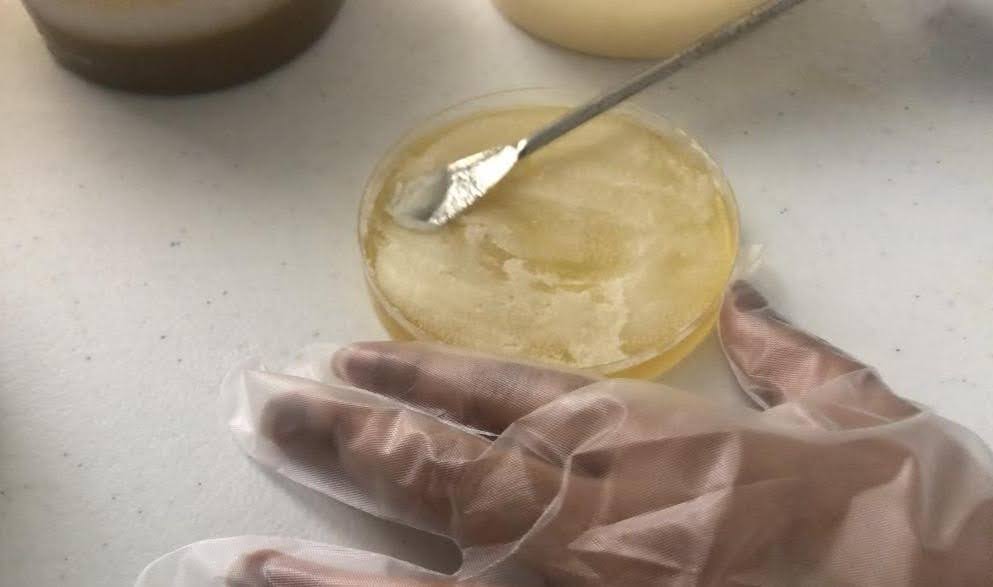
After removing the petri dishes from the refrigerator, the 15 control dishes were covered with lids labeled with “Control” followed by a corresponding number 1 through 15. For the 45 treatment dishes, each of the topical formulations were evenly spread with a lab spatula across 15, lidded, and labeled with the formulation components followed by a number 1 through 15. For example, 15 dishes were labeled “VCO+B” and a number 1 through 15, 15 with “VCO+HK” and 1–15, and “VCO+B+HK” and 1–15.
For data collection, adult milkweed bugs were deprived of food for 12 hours to incentivize feeding behavior to promote punctures to the artificial skin. 15 milkweed bugs were individually exposed to each of the control petri dishes for 3 minutes. The number of attempts made by each milkweed bug to puncture the artificial skin and number of successes were recorded. For each successful puncture, the color change and pH from 1–14 were recorded. For each milkweed bug, the total number of attempts was divided by the number of successes then multiplied by 100 to obtain a percentage. This process was repeated for the rest of the independent variable conditions with a new group of 15 milkweed bugs for each.
During the experiment, gloves and other proper protection (PPE) were worn. At the end of the experiment, the milkweed bugs were released into a nearby plain of grass and the topical formulations were safely disposed of by the CVWMA (Central Virginia Waste Management Authority).
Results
Discussion
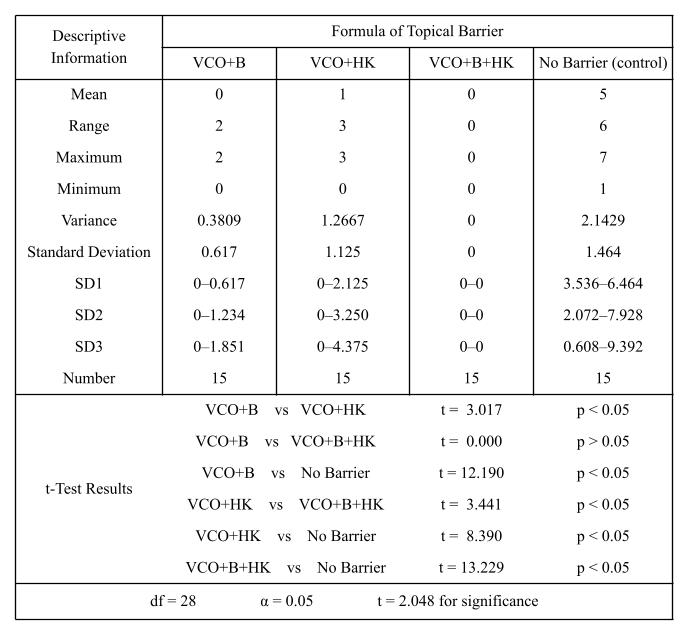
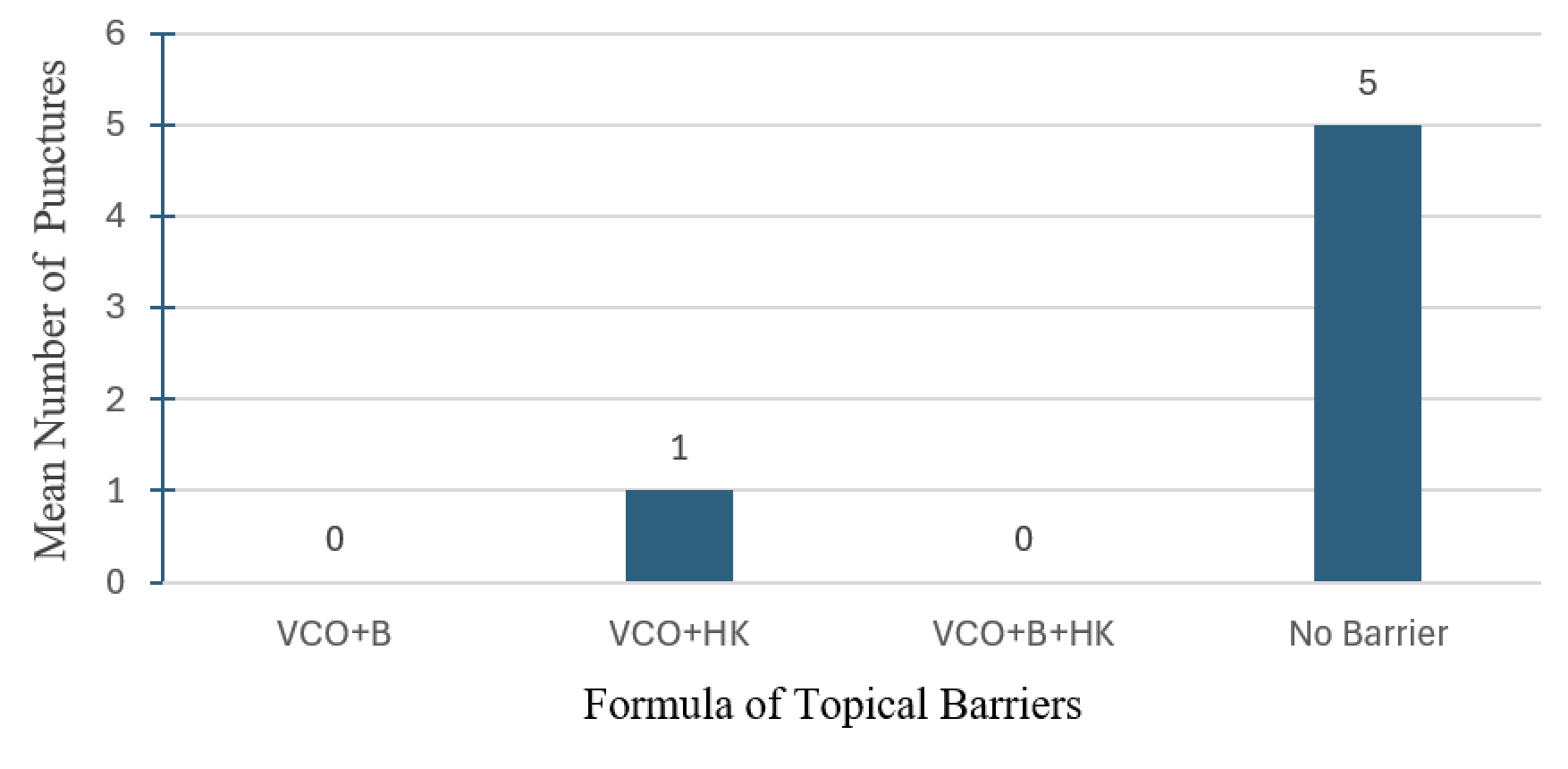
The results of the statistical analyses on effects of topical barriers on bite prevention and saliva transmission are shown in table 1, graph 1, table 2, and graph 2, respectively. The mean number of successful punctures was determined for each of the independent variable conditions. The comparison between the means of the VCO+B barrier (0 punctures), VCO+HK barrier (1 puncture), and VCO+B+HK barrier (0 punctures) to the control barrier (5 punctures) indicated that a topical defense does have a statistically significant effect on the number of punctures by O. fasciatus. Upon a closer analysis, the VCO+B+HK barrier was more effective at preventing punctures than the VCO+B and VCO+HK barriers. These results support the hypothesis.
Furthermore, the variance and standard deviation were calculated for each of the independent variable conditions. Standard deviations were consistently low across all formulations, indicating that the datasets were precise and cohesive. However, one outlier occurred in the VCO+B barrier where a maximum of two punctures exceeded the SD2 range of 0–1.234 punctures. All data points for the VCO+HK, VCO+B+HK, and control groups fell within their respective SD2 ranges, confirming the absence of additional outliers.
A t-test was performed on the data at an alpha-level of α = 0.05 significance (df = 28). The null hypothesis stated no statistically significant difference in the number of successful punctures compared to the control or between each topical barrier gel. The calculated t-values for the VCO+B formula versus the control (t = 12.190), the VCO+HK versus the control (t = 8.390), the VCO+B+HK versus the control (t = 13.229), the VCO+B versus VCO+HK (t = 3.017), and the VCO+HK versus the VCO+B+HK (t = 3.441) were all higher than the critical value of 2.048. The null hypothesis was rejected for these pairwise comparisons, indicating the observed differences were statistically significant. The probability of the results being due to chance is greater than p = 0.05, indicating that the observed results were most likely due to the treatments and not chance. However, the calculated t-value for the VCO+B versus VCO+B+HK (t = 0.00) was below the critical threshold, indicating no statistically significant difference between these two treatments. Overall, the data is statistically significant, and novel topical defenses demonstrated significantly reducing feeding punctures by O. fasciatus with their physical protectiveness.
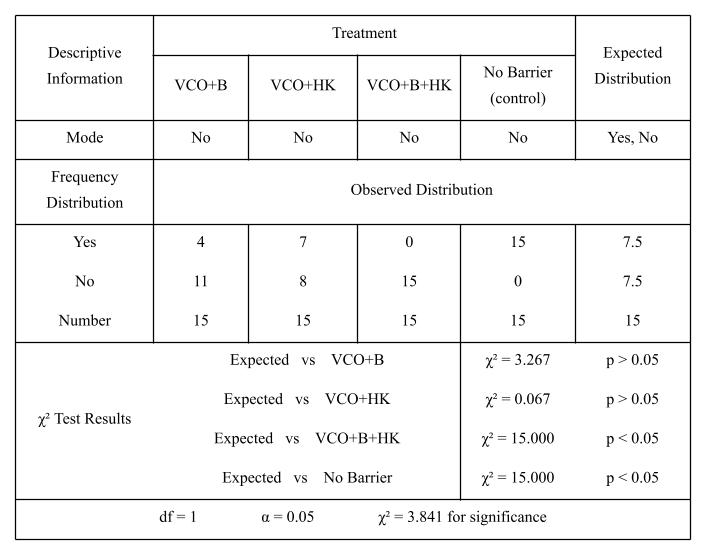
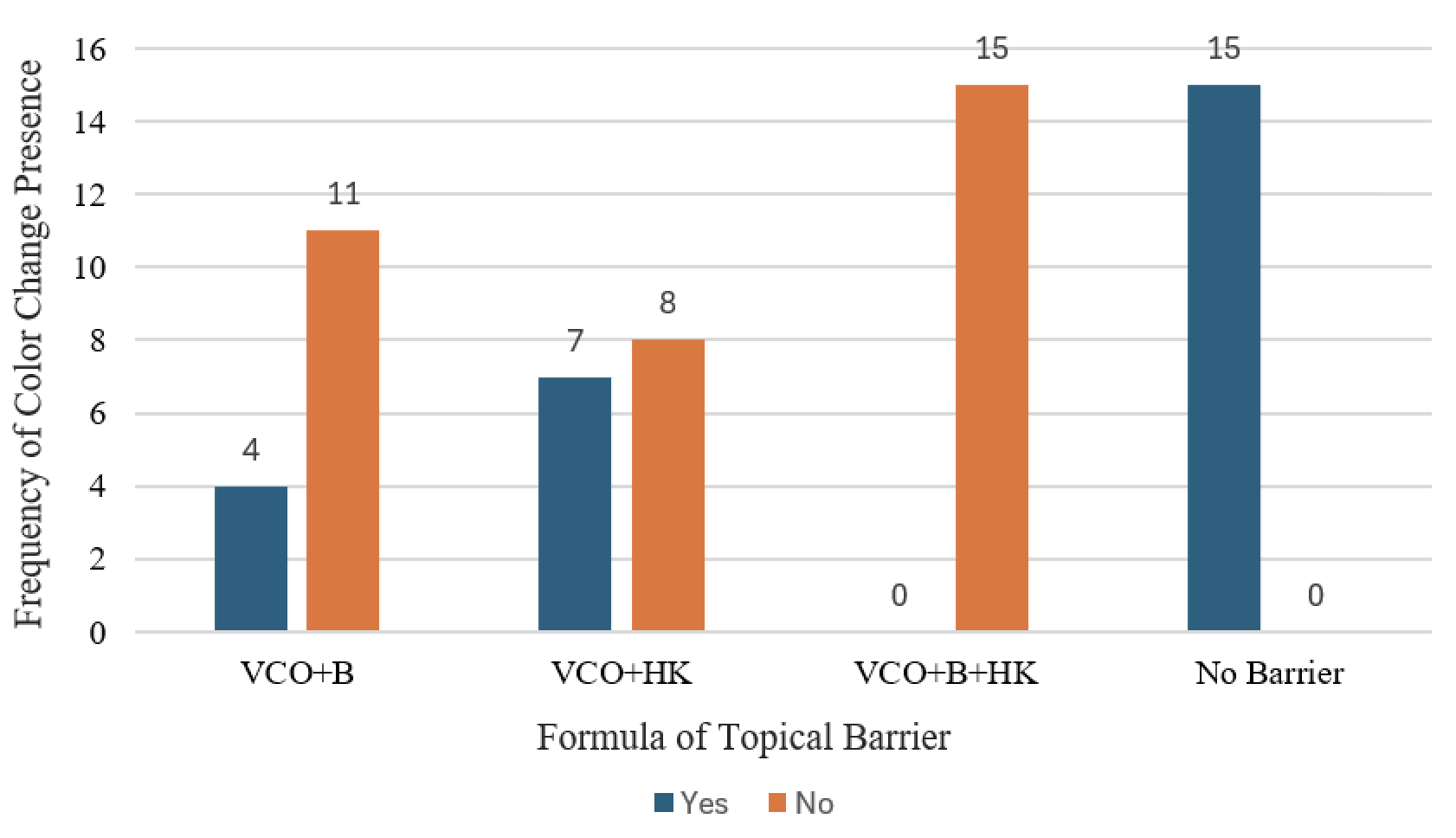
The mode and frequency of saliva transmissions was determined for each of the independent variable conditions. The comparison between the modes of the VCO+B barrier (no saliva transfer), VCO+HK (no saliva transfer), and VCO+B+HK (no saliva transfer) to the control (saliva entered skin) signifies that a topical defense does have an effect on O. fasciatus. The frequency distribution was calculated for each of the independent variable conditions as well, measuring the number of O. fasciatus that were able to secrete saliva into the skin of each barrier gel. Because the VCO+B+HK formulation had the lowest frequency of saliva transfer sites (0), the research hypothesis was fully supported by the data.
A chi-square test was performed on the data at an alpha significance level of α = 0.05 (df = 1). The null hypothesis states that the frequency of saliva transfer from O. fasciatus does not statistically differ from random expectation. The calculated chi-square values for the VCO+B+HK barrier versus the expected (χ² = 15.000) and the control versus the expected (χ² = 15.000) were both greater than the critical value of 3.841. The null hypothesis was rejected, confirming a statistically significant difference between the previously stated comparisons. The probabilities of the results being due to chance for the VCO+B+HK and the control barriers are lower than p = 0.05, so the observed results were most likely due to the treatment than chance.
The calculated chi-square values for the VCO+B barrier versus the expected (χ² = 3.267) and the VCO+HK barrier versus the expected (χ² = 0.067) were less than the critical value of 3.841, failing to reach statistical significance (p > 0.05). The null hypothesis could not be rejected for these comparisons because there is no significant difference for these independent variable conditions. The probability of the observed results being due to chance for the VCO+B and VCO+HK barriers is greater than p = 0.05, indicating that these results are unlikely to be due to the treatments. Overall, the data for saliva transmission into the skin is statistically significant, with the exception of the VCO+B and VCO+HK formulas, and novel topical defenses significantly reduce saliva transfers by O. fasciatus.
Conclusion
The purpose of this experiment was to determine the efficiency of novel, low-cost topical barriers in preventing skin punctures and saliva transmission by vector mosquitoes, using O. fasciatus as a model. Artificial skin containing the pH indicator bromothymol blue (BTB) was coated in either the VCO+B+HK, VCO+HK, or VCO+B barriers, or left untreated as a control then exposed to milkweed bugs for 10 minutes. Puncture counts and observable color changes indicating saliva transfers were recorded for each insect. It was hypothesized that a formula of virgin coconut oil, hydrolyzed keratin, and calcium bentonite clay would produce the lowest number of punctures and saliva transmission sites by O. fasciatus compared to the other gel formulations. Results demonstrated that the VCO+B+HK defense resulted in optimal prevention of milkweed bug bites, resulting in no skin punctures or saliva transmission across all trials, thereby supporting the research hypothesis.
Six t-tests and four chi-square tests were conducted to determine statistical significance. With the exception of the comparison between the VCO+B and VCO+B+HK barriers (t = 0.000), the VCO+B barrier versus the control (t = 12.190), the VCO+HK barrier versus the control (t = 8.390), the VCO+B+HK barrier versus the control (t = 13.229), the VCO+B versus VCO+HK barriers (t = 3.017), and the VCO+HK versus the VCO+B+HK barriers (t = 3.441) were all higher than the critical value of 2.048. Furthermore, excluding the chi-square values for the VCO+B barrier versus the expected (χ² = 3.267) and the VCO+HK barrier versus the expected (χ² = 0.067), the chi-square values for the VCO+B+HK barrier versus the expected (χ² = 15.000) and the control versus the expected (χ² = 15.000) were both greater than the critical value of 3.841. Overall, the data demonstrates that topical barriers significantly reduce the number of punctures and saliva transfers, warranting rejection of the null hypothesis and confirming that the findings of this experiment stem from the independent variable conditions rather than chance.
Although previous studies have not directly investigated the influence of these specific formulas on proboscis penetration, similar research has explored alternative physical barriers as a defense against vector insects. Voignac, along with a few other scientists, used a cellulose nanocrystal gel as a barrier on human skin against Aedes aegypti (A. aegypti), a species of vector mosquitoes responsible for dengue and Zika transmission. This gel was lightweight but the molecular structure of it allowed for near total elimination of A. aegypti punctures, producing outstanding results in bite prevention.2 Similarly, the VCO+B+HK topical barrier that produced the highest efficiency in preventing both saliva transmission and number of skin punctures from this experiment has strong molecular integrity from the bentonite clay and cohesiveness from the hydrolyzed keratin. Consequently, these experimental results align closely with Voignac’s findings on physical barrier mechanics.
The experimental findings are supported by the distinct biochemical properties of each component. First, the thick viscosity and fatty acid composition of the virgin coconut oil provided a moisturizing, spreadable liquid base.3 Second, the addition of sodium bentonite clay functioned as a thickening agent, conferring low-permeability and strong binding capacity through its layered structure.4 Finally, the hydrolyzed keratin filled in any microscopic gaps within the lipid-clay matrix, adding enhanced structure and a smooth, molecular-level consistency to the gel.5 Together, the clay’s thickness, keratin’s structural reinforcement, and virgin coconut oil’s viscosity established an optimal physical barrier, demonstrating why the VCO+B+HK formula resulted in the greatest defense against O. fasciatus bites and saliva transmissions.
Despite these statistically significant findings, several limitations should be noted. There were potential sources of error that can affect the results and additional measures could’ve been taken to improve the experiment. For instance, four milkweed bugs were repurposed across four trials because mating pairs formed and cannot be separated for one week, even though each trial required a new milkweed bug. This may have inadvertently reduced skin puncture frequency and saliva transfer rates for those four trials. For continued study, the longevity of these novel topical barriers should be evaluated on real skin to provide a direct comparison against conventional chemical repellents. Furthermore, conducting this experiment with actual vector mosquito species, like A. aegypti, will achieve more applicable results.
References
- Guo, J., He, X., Tao, J., Sun, H. & Yang, J. Unraveling the molecular mechanisms of mosquito salivary proteins: new frontiers in disease transmission and control. Biomolecules 15, 82 (2025).
- Voignac, D., Sar-Shalom, E., Paltiel, Y., Shoseyvov, O. & Bohbot, J. Mosquito bite prevention through self-assembled cellulose nanocrystals. PNAS Nexus 2, pgad069 (2023).
- Zhu, J. J. et al. Better than DEET repellent compounds derived from coconut oil. Sci. Rep. 8, 14053 (2018).
- Ng, K. M., Jacofsky, J. D., Barsoum, K. W. & Mont, A. M. Human health applications of calcium montmorillonite clay: a systems-based review. Cureus 17, e95449 (2025).
- Perinelli, D. R. et al. Exploring the functional properties of hydrolyzed keratin: filling the knowledge gap on surface active, emulsifying, and thickening properties. ACS Omega 10, 12224–12232 (2025).
- Hannemann, E. Should gardeners remove milkweed bugs? Birds & Blooms (2023).
- Holland, M. Large milkweed bugs. Naturally Curious with Mary Holland (2024).
Appendix
EDD Title: Formulating Topical Barriers to Block Oncopeltus fasciatus Bite and Transmission
Hypothesis: If a topical film containing coconut oil, bentonite clay, and hydrolyzed keratin is applied to artificial skin, then both the puncture success rate and saliva protein intensity by Oncopeltus fasciatus will be significantly lower compared to the control and other formulations.
IV: Type of Topical Formulation
- Coconut oil + Bentonite Clay (n = 15)
- Coconut oil + Hydrolyzed Keratin (n = 15)
- Coconut oil + Bentonite Clay + Hydrolyzed Keratin (n = 15)
- No topical formulation (control) (n = 15)
DV: Puncture Success Rate (%), Saliva Exposure (pH levels)
Constants: Type of milkweed bug, size of petri dish, amount of ballistic gelatin, amount of bromophenol blue used, amount of topical formulation applied, exposure time of milkweed bugs to petri dish, and brands for coconut oil, bentonite clay, and hydrolyzed keratin.

Dancing Neurons & Their Exciting Impacts
Figure 1: A network of neurons in the brain Source: Elizabeth...
Read More
Gender Differences in Health and Medicine and the Importance of Gender-Specific Medicine in Healthcare Policy
This article was originally submitted to the Modern MD competition...
Read More
Vaping and Mental Fog – The Connection Between E-Cigarette Use and Mental Function
Figure 1: Use of e-cigarette devices, like the one in...
Read More
Preventing Peripheral Artery Disease in African Americans from Georgia: A Public Health Initiative
This publication is in proud partnership with Project UNITY’s Catalyst Academy 2024...
Read More
The Public Health Crisis of Alzheimer’s Disease in African American and Hispanic Populations
This publication is in proud partnership with Project UNITY’s Catalyst...
Read More
The I.D.E.A. Initiative: Infectious Disease Educational Awareness
This publication is in proud partnership with Project UNITY’s Catalyst Academy 2023...
Read More